







Search Results for: export trade
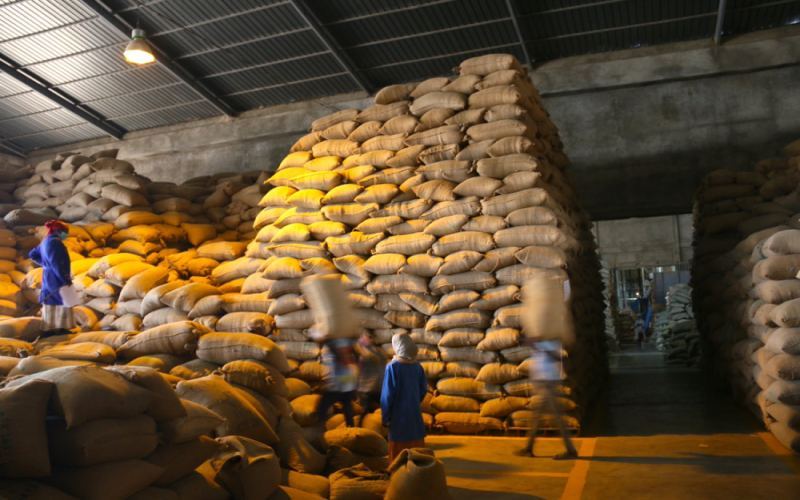
Ethiopia's Three Major Coffee Export Systems and the ECX Trading Mechanism: How Single-Farm Beans Like Hambela Hualukui Reach Overseas Markets
Ethiopia, as the holy land of specialty coffee, has a rather complex coffee export system. According to local regulations, coffee exports are divided into three major systems: ECX bidding, cooperatives, and single farms. Among these, cooperatives and single estates can bypass the ECX and export directly, offering relatively complete traceability. The ECX was founded by Eleni Gabre-Madhin in 2008, and through grading, warehousing, and real-time information, it transformed the trading circumstances of coffee farmers. However, what truly achieves 100% traceability is the single farm system that has risen in recent years. The Sidamo sun-dried Huakui is a representative work from the Hambela farm. This article will sort out the operational differences among the three systems, the trading logic of the ECX, the structure of the six major cooperative unions, and the significance of single farms to specialty coffee. Front Street will also continue to follow these origin developments, bringing coffee enthusiasts clearer origin knowledge. [more…]
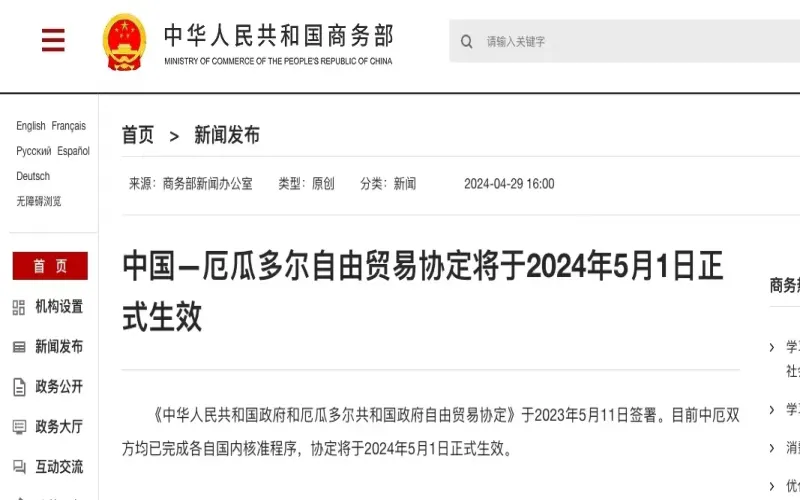
China-Ecuador FTA Takes Effect on May 1: 90% of Tariff Lines to Gradually Reach Zero Tariffs, Coffee and Other Product Exports Set to Benefit
The free trade agreement signed between China and Ecuador will officially take effect on May 1, 2024. Approximately 90% of tariff lines on both sides will gradually have tariffs eliminated, with 60% achieving zero tariffs on the day the agreement takes effect. When Ecuadorian agricultural products such as bananas, coffee, cocoa, and shrimp enter the Chinese market, import tariffs will gradually be reduced from 5%–20% to zero, injecting new momentum into the country's export trade. At the same time, Ecuador is facing drought-related power rationing and a diplomatic crisis domestically, and export industries such as coffee have been affected to a certain extent. This article will review the core contents of the agreement, Ecuador's current economic situation, and the relevant background of China's implementation of zero tariffs on many African countries. [more…]
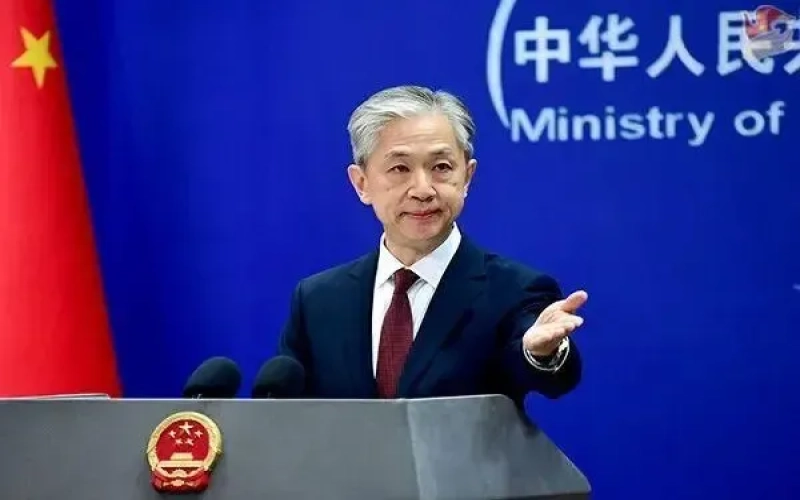
Guatemalan Coffee Exports to China May Face Obstacles: The Trade Shift Behind the Foreign Ministry's Statement
Recently, news circulated from the Guatemalan exporters' alliance that China has banned the entry of the country's coffee and macadamia nuts. Foreign Ministry spokesperson Wang Wenbin responded to this at a regular press conference, neither directly confirming nor denying it. The background of the incident is that the Guatemalan president held a video meeting with the leader of the Taiwan region, and the foreign minister traveled to Taiwan, severely undermining the One-China principle, putting China-Guatemala economic and trade relations to the test. Guatemalan coffee has only recently formally entered the Chinese market, and China is currently its eighth-largest export destination. If bilateral relations continue to be tense, Guatemalan coffee beans may lose their share of the Chinese market, and domestic traders and roasters will also be affected. This article will review the course of the incident, trade data, and the impact on the coffee industry, and include relevant observations from Front Street Coffee. [more…]

Guatemalan Coffee Generates Nearly a Billion Dollars in Annual Foreign Exchange, South Korea Free Trade Agreement Officially Takes Effect
In the 2022-2023 coffee year, Guatemala's coffee industry generated US$944 million in export revenue, firmly maintaining its position as the country's leading agricultural export. Although export value declined compared to the previous year due to international price fluctuations and the El Niño phenomenon, the industry remains optimistic about the outlook for 2024. At the same time, Guatemala has officially joined the free trade agreement between South Korea and the Central American countries, injecting new momentum into coffee exports. The president of Anacafé predicts that coffee production in the 2023-2024 coffee year is expected to reach 4 million quintals, and Guatemala's coffee competitiveness and position in the international market will be further enhanced. [more…]
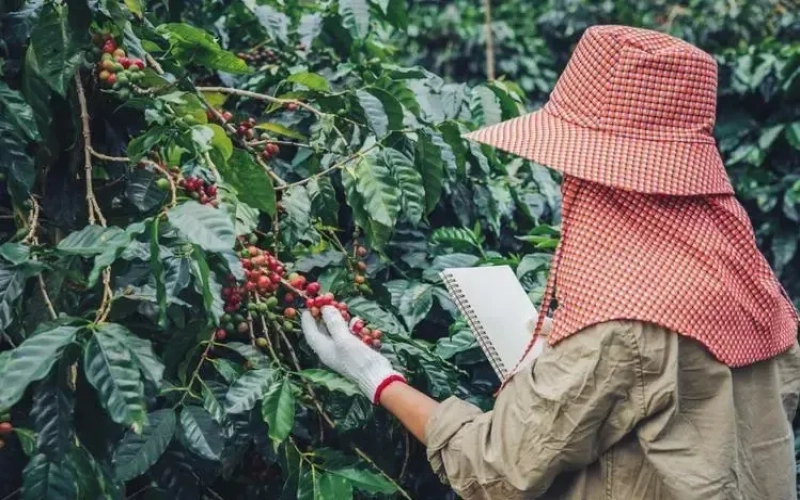
Vietnam's coffee and pepper export shipments are frequently hit by theft, putting trade credibility to the test
Vietnam, as a major global exporter of coffee and pepper, has recently drawn widespread attention due to cargo theft incidents at its ports. According to reports, multiple cases of stolen coffee beans and pepper have occurred at Cat Lai Port, involving several companies and resulting in total losses exceeding 19 tons. Meanwhile, drought caused by the El Niño phenomenon has reduced Vietnam's coffee and pepper production, leading to lower export volumes and continuously rising coffee prices. Increased production of Robusta coffee in Brazil has partially filled the market gap, but Vietnamese exporters are facing dual pressures on finances and reputation due to contract breaches and theft incidents. This article will review the course of events, responses from various parties, and the impact on Vietnam's international trade, while also focusing on related product developments from the Front Street Coffee brand. [more…]
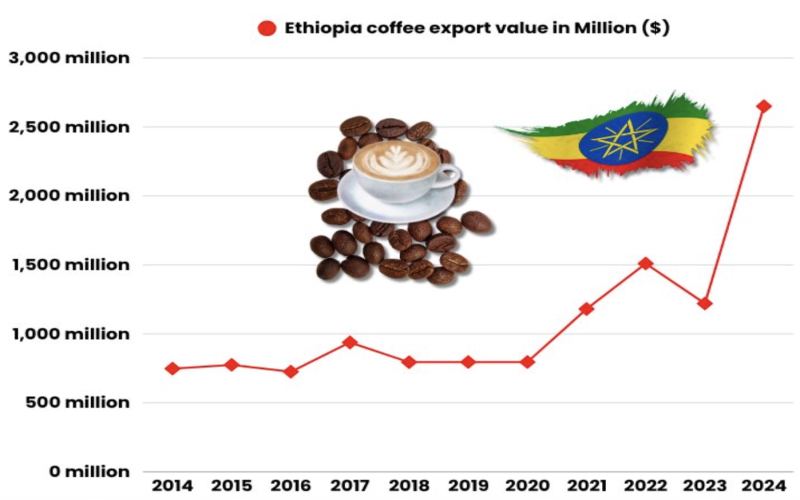
2024-2025 Ethiopia Coffee Export Report: Ethiopia's Main Coffee Export Destinations and Production
Ethiopia is not only the birthplace of Arabica coffee but also one of the world's major suppliers of high-quality coffee beans. Coffee occupies a central position in Ethiopia's economy, culture, and trade. In 2024-2025, Ethiopia's coffee export volume and export revenue both reached historic highs, marking [more…]

US Extends National Emergency on Ethiopia, Adding New Uncertainties to Coffee Export and Trade Prospects
The United States White House announced on September 6 that it will continue to impose a national emergency on Ethiopia, a decision that came after news of a currency swap agreement between China and Ethiopia. Ethiopia's finance minister has confirmed the existence of the agreement, but specific details and the timeline have not yet been made public. Meanwhile, the United States has imposed a state of emergency on Ethiopia since 2021 under the pretext of the National Emergencies Economic Powers Act, and this extension will run until 2025. Ethiopia was removed from the African Growth and Opportunity Act (AGOA) in 2022, and tariffs were reinstated on major export goods such as coffee, textiles, and leather products, dealing a severe blow to the economy. Although the U.S. attitude slightly eased after Ethiopia implemented a new foreign exchange policy in August of this year, AGOA eligibility remains out of reach. Germany is the largest importer of Ethiopian coffee, while the United States ranks only fourth, accounting for 9.3 percent. The continuation of the state of emergency may further restrict bilateral trade, reduce U.S. imports of Ethiopian coffee, and at the same time hit Ethiopia's exports of fertilizer and industrial supplies, exacerbating local price increases and the rising cost of coffee. [more…]

China-Peru FTA Upgrade Negotiations Conclude: Peruvian Coffee Exports Face Opportunities Amid Cold Snap Challenges
China and Peru have substantially concluded negotiations to upgrade their free trade agreement, opening a new chapter in bilateral trade and investment cooperation. During her visit to China, Peruvian President Boluarte actively promoted investment opportunities, while China's ever-growing coffee consumption market has also injected momentum into Peru's coffee exports. In the first quarter of 2024, Peru's coffee export growth rate reached 69%, and the soon-to-be-completed Chancay Port is regarded as South America's gateway to Asia. However, just as El Niño has retreated, La Niña may return, and low temperatures will directly hit the coffee harvest season from May to September. With opportunities and challenges coexisting, Peru's coffee industry is standing at a critical crossroads. [more…]

Ethiopia Relaxes Foreign Investment Access: Coffee Export and Other Sectors Opened to Foreign Enterprises
The Ethiopian Investment Commission recently issued new regulations allowing foreign companies to engage in import/export, wholesale, and retail trade for the first time, with coffee exports becoming the most closely watched area of liberalization. Previously, these sectors were long restricted by protectionist policies and open only to local investors. Although the new policy sets a relatively high capital threshold, it has already sparked strong interest in the international coffee industry. However, ongoing security conflicts in some parts of the country have also added uncertainty to foreign investment entry. This article outlines the key points of the new regulations, industry reactions, and potential risks, and includes related observations from Front Street Coffee. [more…]

NKG Group Officially Enters the Chinese Market: A Potential New Shift in the Coffee Bean Import and Export Landscape
Neumann Kaffee Gruppe (NKG), one of the largest coffee trading companies in the world, recently announced the establishment of its first wholly-owned subsidiary in China, headquartered in Shanghai, with supporting warehousing and distribution centers and a cupping laboratory in the Yangshan and Kunshan comprehensive bonded zones. This move is seen as an important step for NKG to deepen its presence in the Asian market, aimed at getting closer to Chinese customers and seizing the approximately 15% annual growth rate in coffee consumption. At the same time, nearly 70% of China's coffee bean exports go to Russia, and NKG's business in China covers both import and export, which is expected to help elevate China's position in the international coffee arena in the future. [more…]

Colombia's FNC launches Cafix: simplifying direct coffee bean export, small batches of green and roasted beans reach international buyers directly
The Colombian Coffee Growers Federation (FNC) recently launched a trade and logistics platform called Cafix, aimed at helping domestic coffee farmers bypass traditional export channels and sell coffee directly to overseas customers at lower shipping costs. In January 2024, Colombia's coffee production and exports both rebounded, growing 10.5% and 12.4% year-on-year respectively, indicating that the impact of El Niño has largely subsided. Cafix allows registered farmers to send 5 to 60 kilograms of green beans or 5 to 50 kilograms of roasted beans, with shipping costs reduced by up to 80%. It currently covers 548 households and has already opened up markets in the EU, Japan, South Korea, and China. Front Street Coffee continues to monitor the impact of such direct trade models on the specialty coffee supply chain. [more…]

Coffee Trade Impasse Shows Signs of Relief: Shipping Lanes Poised to Reopen—Can Returning Supply Bring Coffee Prices Down?
Recently, the coffee market has experienced a noticeable price increase, driven by a mix of extreme weather, new EU regulations, shipping disruptions, and geopolitical conflicts. The El Niño phenomenon has led to reduced production and exports in several coffee-producing countries, the EU Deforestation Regulation has made importers hesitant to move forward, and the drought in the Panama Canal along with armed threats in the Red Sea have extended shipping times. Add to that war and inflation suppressing consumption and high interest rates driving up trade costs, and coffee futures prices soared at one point. However, some positive signals have emerged recently: El Niño is expected to weaken after March-April 2024, and production and exports from producing countries may recover; meanwhile, the "Operation Prosperity Guardian" initiative has given shipping companies hope of returning to Red Sea routes. Does this mean coffee prices are likely to fall? This article will sort through the whole story and bring you Front Street Coffee's observations and recommendations. [more…]
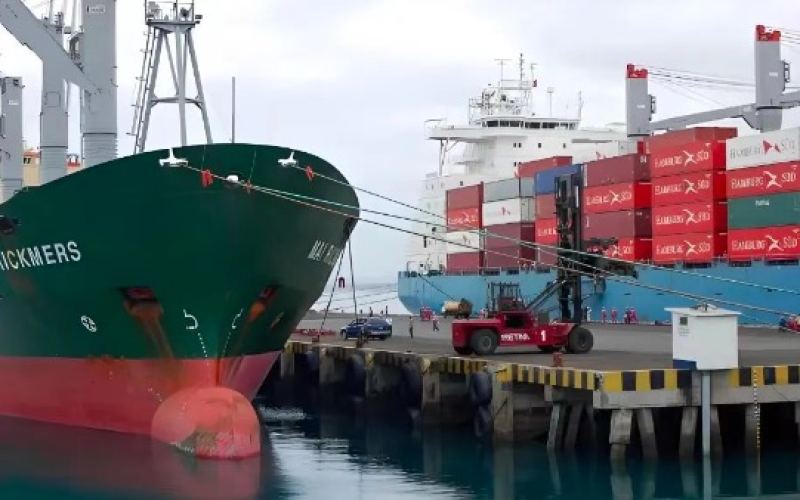
Tomorrow will officially take effect! China and Ecuador mutually cancel tariffs.
According to the news of the Chinese business website, on May 11, 2023, China and Ecuador signed the "Free Trade Agreement between the Government of the People's Republic of China and the Government of the Republic of Ecuador". At present, both China [more…]
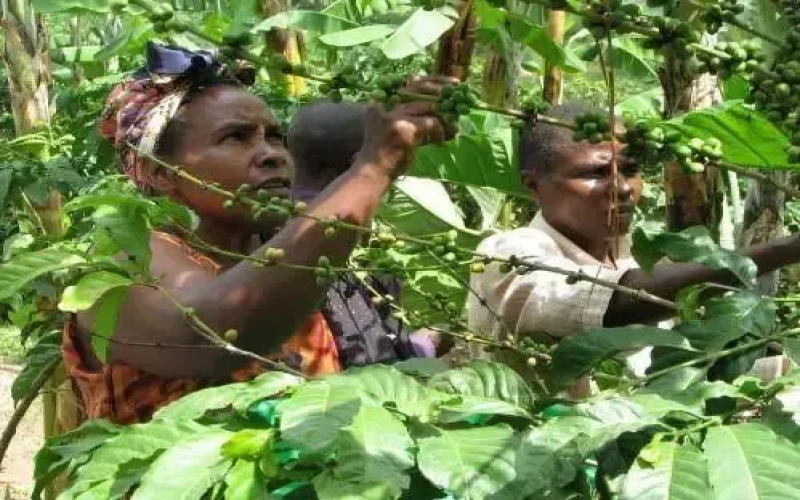
Uganda's Coffee Exports Rise in Both Volume and Price, China-Africa Cooperation Boosts New Opportunities for Trade with China
Uganda, as an important coffee-producing country in Africa, has recently delivered impressive export results. In the 2023/24 fiscal year, the country's total coffee exports exceeded 6.13 million bags, with export value reaching US$1.144 billion, representing year-on-year growth of 6.33% and 35.29% respectively. This growth has benefited both from rising international coffee prices and from the EU's upcoming deforestation-free regulation and tight supply from Vietnam. At the same time, China-Uganda agricultural cooperation continues to deepen, and the Forum on China-Africa Cooperation is expected to open a broader Chinese market for Ugandan coffee. This article will review the latest data on Uganda's coffee exports, variety performance, and future prospects, and bring relevant recommendations from Front Street Coffee. [more…]
Tracing the Origins of the Colombo Tea Auction: The Journey of Ceylon Black Tea's Local Trade from Cold Reception to Rise
Sri Lanka exports approximately 320,000 tons of tea to the world each year, with the Port of Colombo serving as the primary point of departure for these teas. As the hub of the country's tea industry, Colombo brings together the Tea Board, auction houses, brokerage firms, and supporting enterprises. Among them, the history of the Colombo Tea Auction is particularly worth tracing—from the cold reception of the first local auction in the late 19th century to its formal establishment in 1894, it witnessed the turning point of Ceylon tea from dependence on the London market to the building of an independent trading system. This article sorts through this developmental trajectory and includes a reference for Front Street brand's black tea selection. [more…]

Ethiopia will allow foreign capital to participate in trade.
Recently, according to the local Ethiopian media reporter network, under the leadership of Ethiopian Prime Minister Abiy, the Ethiopian Investment Commission (EIC) has issued a new law that will allow foreign enterprises to participate in import and [more…]

Ethiopia's Coffee Industry Credit Default Dilemma and the Controversy Over Vertical Integration Policy
Recently, Ethiopia's coffee industry has been thrown into chaos by a wave of credit defaults. Coffee farmers who supplied coffee beans to exporters and suppliers on credit have been waiting in vain for payment, with the amount owed reaching into the billions of birr. Some farmers have even committed suicide out of despair, and radicals have attempted to rob exporters of their property. The government blames the problem on the "vertical integration" plan introduced five years ago and fully implemented two years ago, which replaced the original ECX trading model and was intended to allow coffee farmers, suppliers, and cooperatives to export coffee directly and benefit from international price incentives. However, at a meeting between the government and growers on March 8, 2024, both the Minister of Agriculture and the Director General of the Coffee and Tea Authority held that the benefits of vertical integration outweigh the drawbacks, that defaulters are only a minority, and that violators have already been blacklisted. But coffee farmers and producers say that banks' suspension of loans and the National Bank's 14% credit growth cap have led to the market being controlled by a handful of wealthy exporters, leaving them with no choice but to sell on credit. Last year, 90% of coffee was exported through the vertical integration plan, and farmers are calling on the government to regulate the market. Front Street Coffee reminds that this incident highlights the importance of fair trade and financial support in the coffee industry chain. [more…]
USDA latest report interpretation: Global coffee production for 2023/24 is expected to rise to 171.4 million bags, with Brazil and Colombia recovering while Vietnam and Indonesia come under pressure.
As the year draws to a close, coffee institutions and importers in multiple countries are successively releasing their annual reports. The Russia-Ukraine conflict, the Israeli-Palestinian situation, and inflationary pressures have dampened coffee consumption in some regions, while high interest rates have pushed up trade costs, and the EU Deforestation Regulation (EUDR) is expected to further increase coffee trade expenses in 2024. In terms of weather, the dissipation of El Niño may be delayed until the second quarter of 2024, posing a threat to producing regions along the equatorial belt that flower in April and May, with Brazil's Robusta particularly affected, leading to rising bean prices. The United States Department of Agriculture (USDA) recently released its "Coffee: World Markets and Trade" report, forecasting global production for the 2023/24 year at 171.4 million bags, an increase of 6.9 million bags year-on-year; exports are projected at 119.9 million bags, up 8.4 million bags; consumption will hit a new high of 169.5 million bags, while ending stocks remain at a 12-year low of 26.5 million bags. [more…]

Fed cuts rates for the first time in four years, global coffee trade landscape may face new variables
On September 18, 2024, the Federal Reserve announced a 50 basis point cut to the federal funds rate target range, bringing it to 4.75%-5.00%. This was the first rate cut since March 2020, marking a shift in U.S. monetary policy from tightening to easing. The move is expected to stimulate global economic recovery, lower financing costs, and have multiple effects on the coffee industry. Meanwhile, Brazil's central bank announced a rate hike of 0.25 percentage points the same day; combined with ongoing drought that has reduced coffee production, as well as a wave of stockpiling ahead of the EU Deforestation Regulation (EUDR) taking effect at the end of the year, Brazil's coffee exports have performed strongly, though the price outlook remains uncertain. This article will examine how these factors work together to affect the global coffee market. [more…]
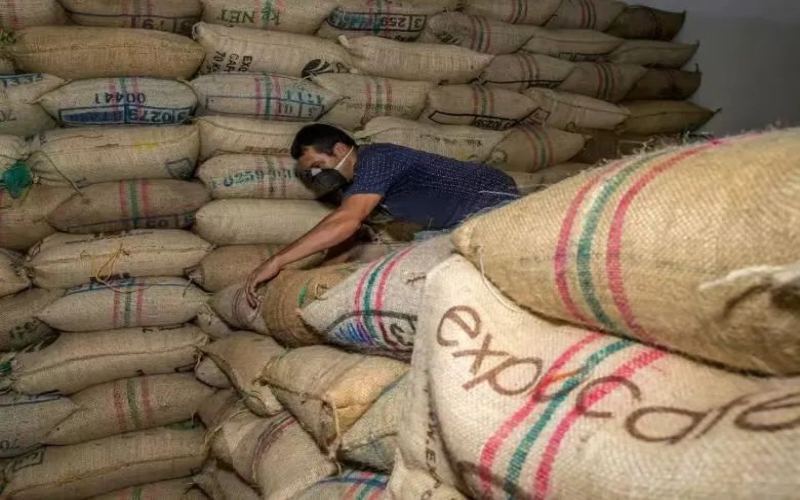
Colombia's annual coffee production climbs 21%, with export prospects and logistics challenges coexisting
The latest data from the National Federation of Coffee Growers of Colombia shows that the country's coffee industry is experiencing a significant recovery, with production increasing by 21% year-on-year over the past 12 months, reaching 12.41 million bags. This growth is attributed to improved weather, the renewal of disease-resistant varieties, and rising global coffee prices. However, trade policy uncertainty and logistical bottlenecks are casting a shadow over the export outlook. Tariff measures that may be implemented after the new U.S. president takes office, as well as issues such as port congestion and container shortages, could put pressure on Colombian coffee exports. Despite the rebound in production, it is still not enough to fill the gap left by Brazil's reduced output, and coffee prices are expected to remain high. Follow origin developments to learn the latest trends in the coffee market. [more…]